Actively hiring
Certified Surgical Technologist (CST)
Globe, AZ
Allied Health
ContractDay (days T-F)13 Wks
Five names. One role.
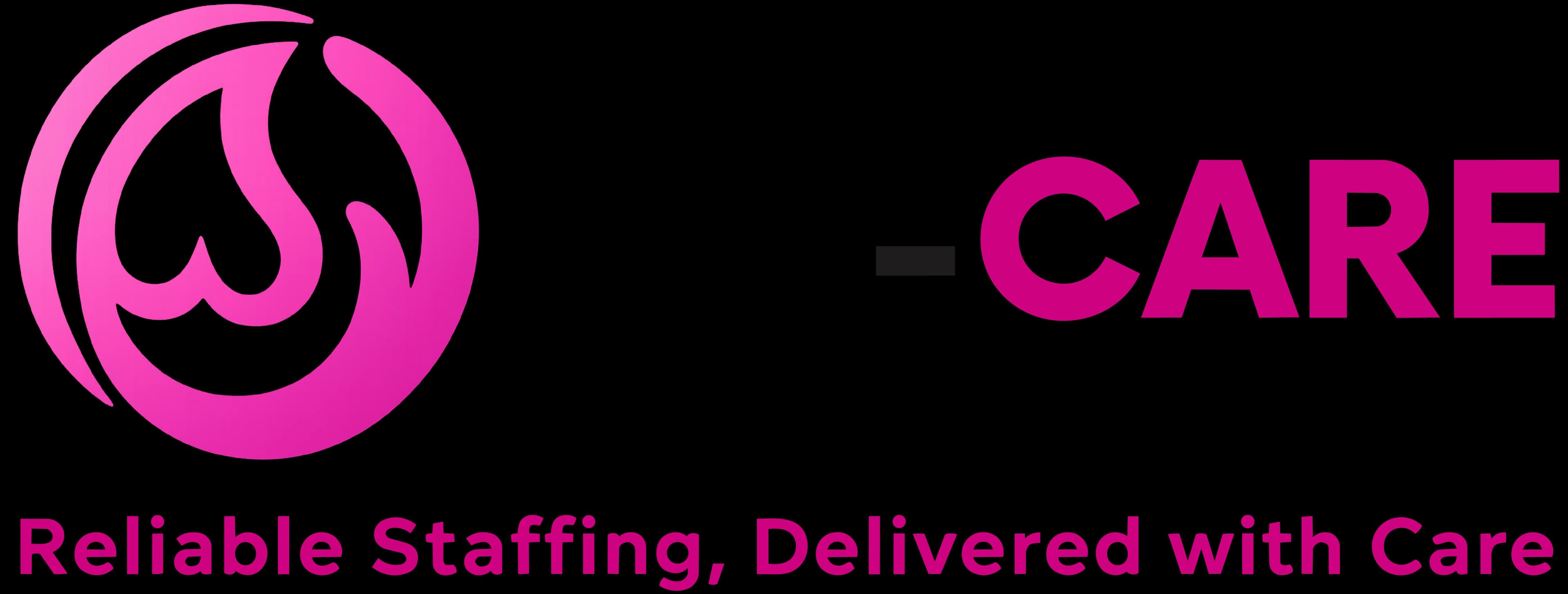
A surgical technologist prepares the operating room, maintains the sterile field and passes instruments to the surgeon during a procedure. In practice it is the one role in the room that knows where every instrument is before it is asked for.
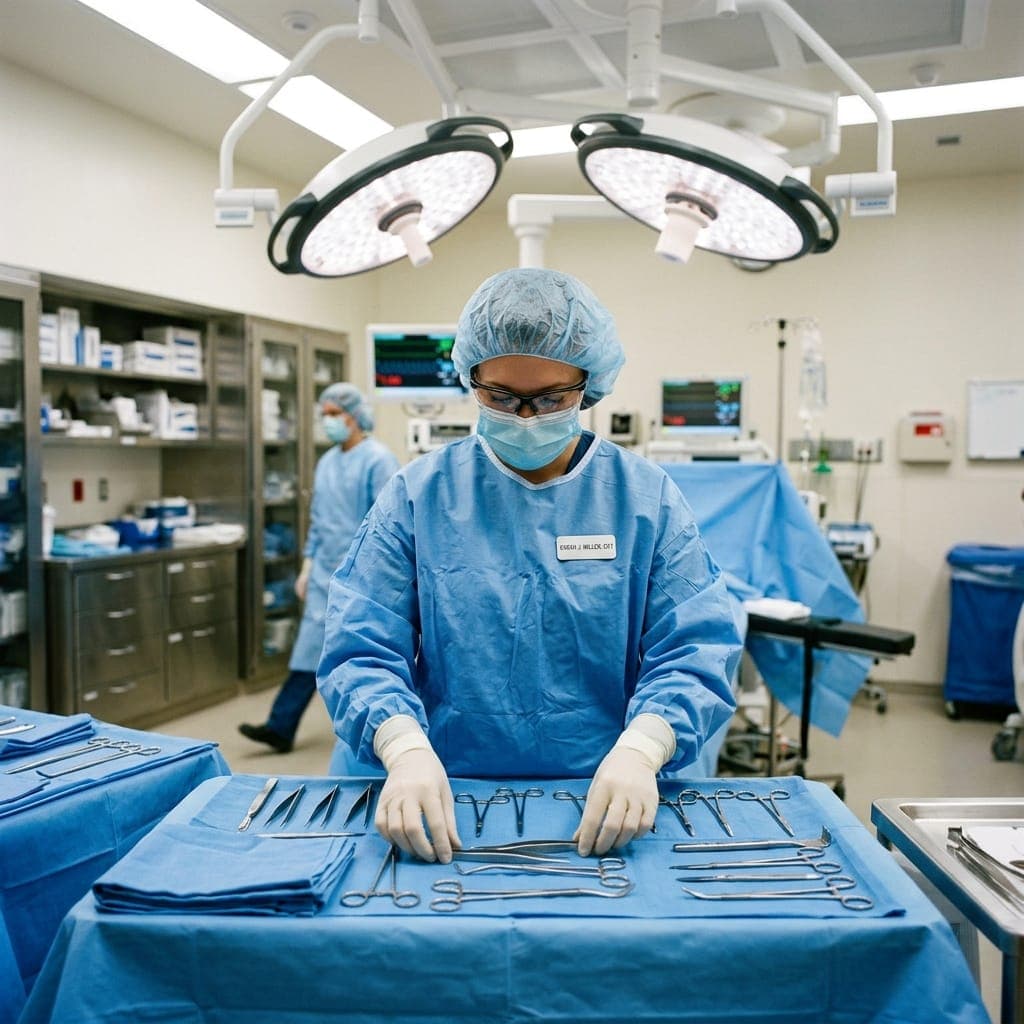
We place surgical technologists in hospital operating rooms, ambulatory surgery centers and specialty ORs across the United States, on travel, contract and permanent terms.
Verified openings
Globe, AZ
Allied Health
Filter by shift, contract length, facility setting and state.
Surgical technologist, surgical tech, scrub tech, surgery tech and operating room technician are five names for the same job. Which one you search for changes what comes back.
Surgical technologist is the formal title and what most job boards index. Surgical tech jobs and surgery tech jobs are what people actually type. Scrub tech is what everyone says once the doors close, and plenty of hospitals post under it. Operating room technician turns up on older listings and in some health systems that never updated the title.
None of them means anything different. If you have been searching one term, you have been missing postings under the other four.
The specialty comes first
A tech who has run orthopedic trays for six years and a tech who has run cardiovascular cases have done genuinely different jobs. Facilities hire on the specialty first.
The widest demand and the easiest to move between facilities on. Total joints, spine, trauma and general surgery.
CVOR is the hardest OR post in most hospitals to fill and usually pays accordingly. Open heart, vascular and structural cases.
Cesarean sections, often on call and often overnight. A different rhythm from a scheduled OR list, and facilities want someone who has worked it before.
Neurosurgery, ENT, urology, plastic surgery and robotics. Smaller numbers, longer cases, and instrument sets you either know or you do not.
Most employers ask for the CST credential from the National Board of Surgical Technology and Surgical Assisting, so certified surgical technologist jobs and CST jobs are the bulk of what gets advertised.
Thirteen states set minimum education or certification standards in law. Those are Connecticut, Idaho, Indiana, Massachusetts, Nevada, New Jersey, New York, Oregon, Pennsylvania, South Carolina, Tennessee, Texas and Virginia. A further group, including Colorado, North Dakota and Washington, requires registration instead. Everywhere else the employer sets the bar, and most set it at the CST.
Non certified surgical tech jobs do still exist, mostly in smaller facilities in states without a requirement. The pool is narrowing though, and for contract work the credential is usually the single thing standing between a tech and a much longer list of openings.
Source: Association of Surgical Technologists minimum standards document. Verified September 2026.
Entry level surgical tech jobs are hardest to find on contract. A traveling tech is expected to scrub a case on day two, with almost no orientation. Permanent and travel roles are usually the better route early on.
Specialty experience.
The right opportunity.
What the numbers say

The Bureau of Labor Statistics put the median annual wage for surgical technologists at 64,650 dollars in May 2025, or about 31 dollars an hour. The lowest tenth earned under 45,940 dollars and the highest tenth over 96,940 dollars, which is a wider spread than most allied health roles. BLS counts roughly 117,000 surgical technologists working in the United States and projects the field to grow about 5 percent through 2035.
Those are national medians for permanent staff posts. Contract and travel rates work differently, and specialty moves the number more than geography does.
Source: Bureau of Labor Statistics, Occupational Outlook Handbook and OEWS. May 2025 figures.
All three are open. Call is the thing to settle before anything else in this role. Some contracts fold it into the rate and some pay it separately, and a heavy rota changes what a week actually looks like far more than the base figure does.
OR postings move quickly and a good number are filled off our own bench before they are advertised. Tell a recruiter which service lines you have scrubbed and which instrument sets you know, and we will call when something matches.
Call (866) 680-2920 or send us your details.
Choose your next location
Showing 12 of 50 states
States marked “Guide & jobs” have a dedicated guide for this role. Every other state opens a filtered job search.

Scrub tech and surgical technologist are two names for the same job. Surgical technologist is the formal title, scrub tech is what the role is called inside the operating room, and surgical tech is what most people type into a job board. Surgery tech and operating room technician turn up as well. Facilities are inconsistent about which they post under, so search more than one.
A CST credential is required for almost all contract work in the United States. Thirteen states set minimum education or certification standards in law, and most employers outside those states ask for it anyway. Uncertified roles still exist in smaller facilities, but the list is short and getting shorter.
Surgical specialty is the single biggest factor in where a surgical technologist can work. A general and orthopedic background travels almost anywhere. Cardiovascular, neurosurgery and transplant are narrower fields but consistently harder for facilities to fill, which usually works in your favor on rate.
Surgical technologist contracts are usually written around specialty experience rather than total years in the operating room. Tell a recruiter which service lines and which instrument sets you know, because that is what a submission is actually judged on.
Call arrangements vary between contracts and are worth settling before signing. Some build call into the base rate, some pay it separately, and some facilities run a far heavier rota than the advert suggests. Ask what the actual call frequency has been over the last three months rather than what the contract permits.
A surgical technologist prepares the operating room, sets up and maintains the sterile field, passes instruments to the surgeon during a procedure, and accounts for every instrument and sponge before the patient leaves the room. The Bureau of Labor Statistics also lists them as operating room technicians. The role is distinct from a sterile processing technician, who decontaminates and sterilizes instruments in a separate department and does not scrub in.
Tell us which service lines you have scrubbed, whether you hold the CST, and where you are willing to work. A surgical tech career is usually built one specialty at a time rather than planned, and that is entirely normal.
Contracts, housing and first assignments sit on our travel nursing page.