MRI Tech, Surgical Tech & Sonographer Jobs in New York: Pay Compared
Allied health is one of the smartest career bets in New York: strong pay, steady demand, and shorter training paths than nursing or medicine. But not all allied roles pay the same, and the differences are bigger than most people expect. Among three of the most popular imaging and surgical professions, MRI technologist, diagnostic medical sonographer, and surgical technologist, two cluster near six figures in New York while the third sits well below, and each has completely different licensing rules.

We Care Staffing
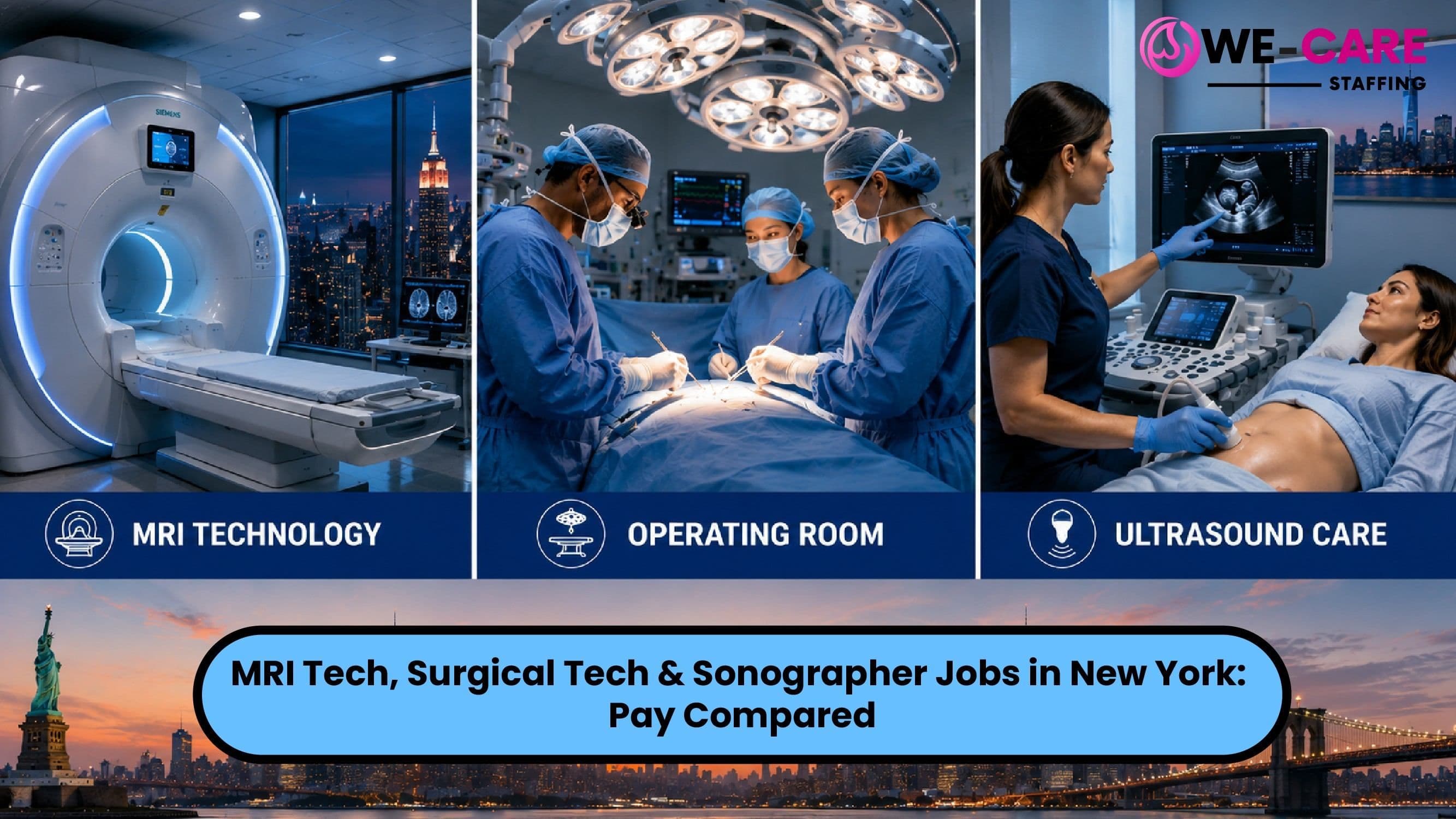
This guide compares MRI tech, surgical tech, and sonographer jobs in New York on pay, demand, and credentialing, using current Bureau of Labor Statistics data. You'll see how the three stack up, how NYC compares to upstate, and what each profession actually requires to work in the state. If you're exploring allied health roles, you can learn more about our allied health staffing services as you read.
Quick Comparison: The Three Professions at a Glance
Here's the landscape at a glance. Treat figures as ranges that vary by metro, employer, and survey year.
The headline: MRI technologists and sonographers both cluster around six figures in New York, while surgical technologists earn meaningfully less. All three pay above their national medians in New York, but the gap between the imaging roles and surgical tech is real and worth understanding before you choose a path.
How to Read These Numbers
Two quick clarifications make every figure below easier to interpret.
First, BLS publishes a mean and a median, while salary websites publish self-reported averages that vary by who responds. That's why the same job shows different numbers across the web, and why surgical tech figures for New York in particular range widely by source. The BLS data is the authoritative baseline; treat everything else as a reliable range.
Second, these are permanent staff figures. Travel and contract roles in these professions are quoted as weekly packages combining a taxable base wage with tax-free stipends, and the number that matters there is the blended rate (total weekly pay divided by hours). Travel contracts typically pay more per hour than staff roles once stipends are included.
MRI Technologist Jobs in New York
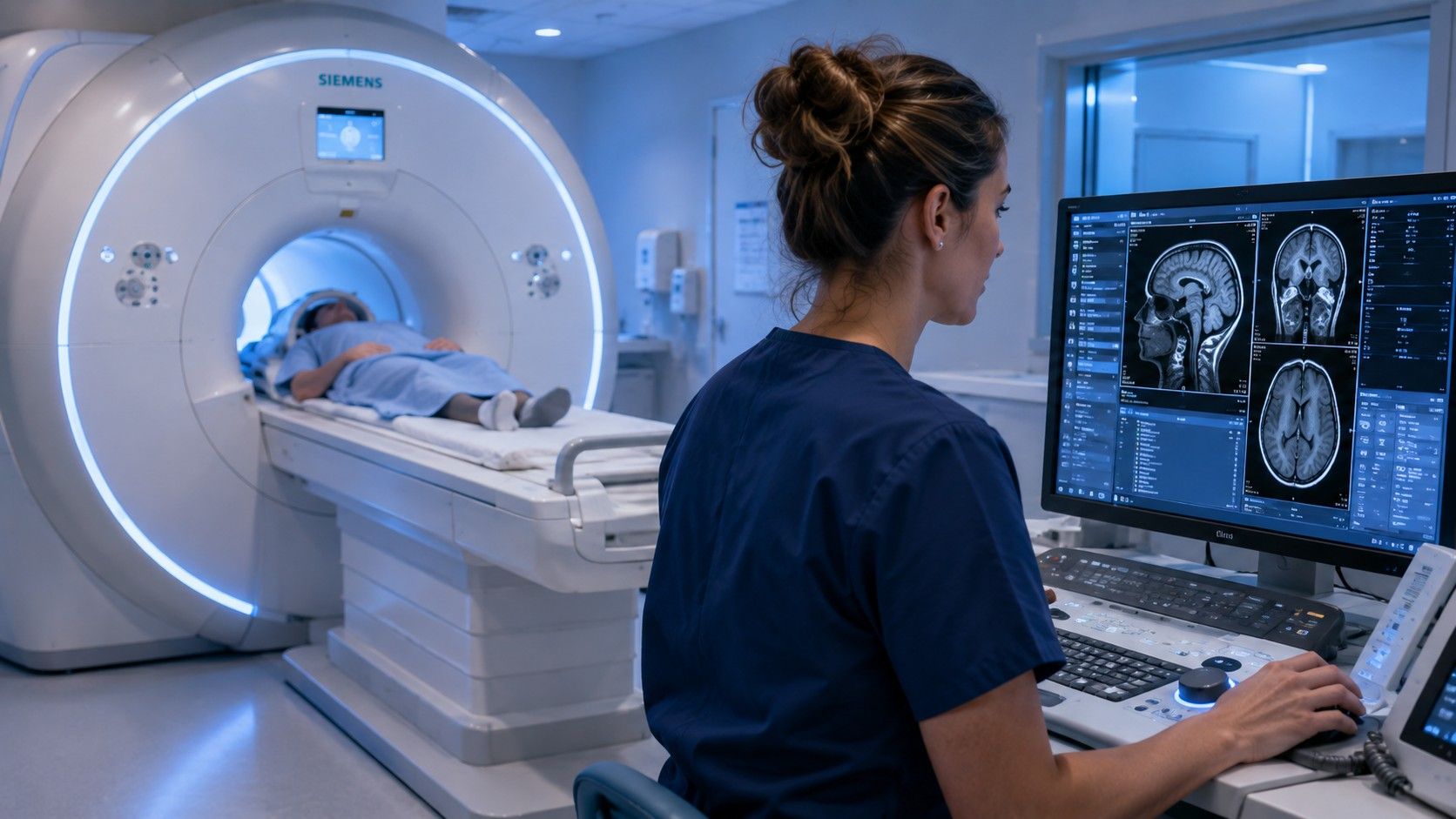
Pay. MRI technologists are among the best-paid of the three in New York. BLS-based data puts the New York median in the range of roughly $104,000 to $113,000 a year depending on survey year, well above the national MRI tech median of about $88,180. New York employs several thousand MRI technologists, and top earners in the NYC metro clear $126,000 or more, with unionized positions pushing higher.
The geographic split. New York has one of the biggest metro-versus-upstate pay gaps in the country. NYC-area MRI pay runs at the top of the range, while Rochester, Buffalo, and other upstate metros often land closer to $78,000 to $85,000, though upstate rent drops even faster than pay, which changes the real-value math.
Demand. Imaging demand is strong and steady, driven by an aging population and expanding use of MRI. Major downstate systems (NewYork-Presbyterian, NYU Langone, Northwell Health, Mount Sinai, Montefiore) and upstate anchors (University of Rochester Medical Center) all hire actively.
Diagnostic Medical Sonographer Jobs in New York
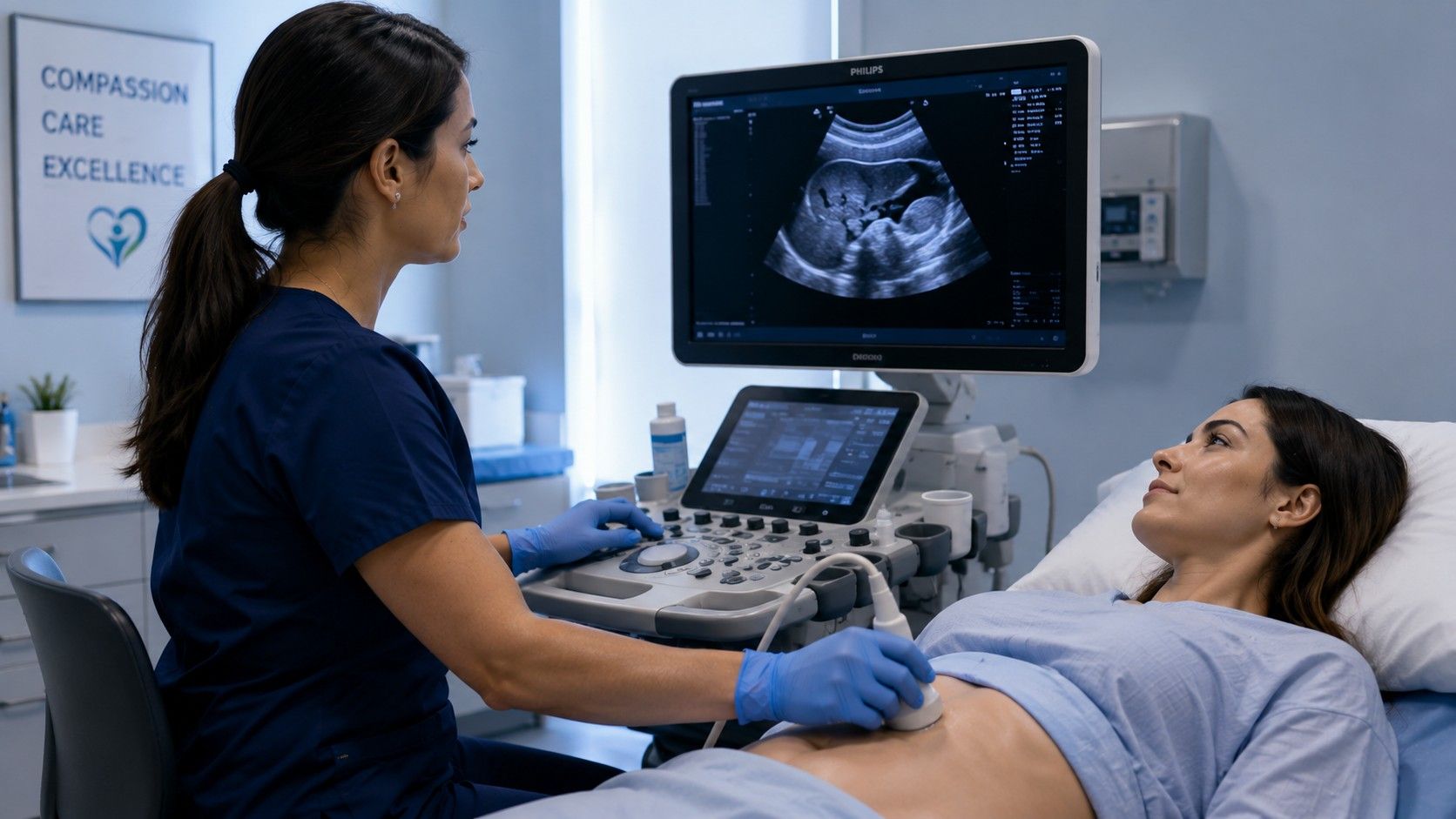
Pay. Sonographers are the other six-figure role in New York. BLS-based data places the New York median around $100,000 or above (roughly $104,000 in some recent reporting), against a national median of about $89,340. Figures vary widely by source and specialty, with NYC-area sonographers frequently reported well into the six figures and specialty roles (cardiac, vascular, echocardiography) commanding premiums.
Demand. Sonography has one of the strongest outlooks in all of healthcare. Nationally, BLS projects 13 percent growth from 2024 to 2034, roughly three times the average for all jobs, with about 5,800 openings a year, driven by wider use of ultrasound in cardiology, obstetrics, and vascular medicine. New York's metros, from NYC and Long Island to Buffalo, Rochester, and the Capital Region, all support active hiring.
Specialization pays. General sonography pays well, but subspecialties like echocardiography (cardiac) and vascular sonography typically pay more, and outpatient centers often pay above hospitals for the role.
Surgical Technologist Jobs in New York

Pay. Surgical technologists earn less than the two imaging roles, though still above the national median for the profession. New York figures vary notably by source, ranging from roughly $53,000 to $80,000 a year depending on the dataset and metro, against a national median of about $62,830. NYC-area and certified techs generally land at the higher end, while the honest picture is a wide band rather than a single number.
Demand. Surgery volume keeps demand steady, with growth driven by an aging population and the expansion of outpatient surgery centers. New York's large hospital systems and a growing ambulatory surgery sector both hire surgical techs.
The pay ceiling. Surgical tech pay tops out lower than MRI or sonography, but the training path is often shorter, and advanced credentials (such as the CSFA surgical first assistant route) can raise earnings meaningfully for those who pursue them.
Head-to-Head: Which Pays Most in New York?
The ranking is consistent across sources, even where exact figures differ:
- MRI technologist and diagnostic sonographer are close, both clustering around six figures in New York, with MRI often edging slightly ahead on median and sonography offering the strongest job growth.
- Surgical technologist sits notably lower, in a wide band roughly $55,000 to $80,000, though with a typically shorter training path.
So if pay is your primary driver, the two imaging roles lead. If you want the fastest entry or prefer the operating room to the imaging suite, surgical tech trades some pay for a different work life and a quicker start. And sonography stands out for combining strong pay with the best long-term demand outlook of the three.
Licensing: Very Different Rules for Each Role
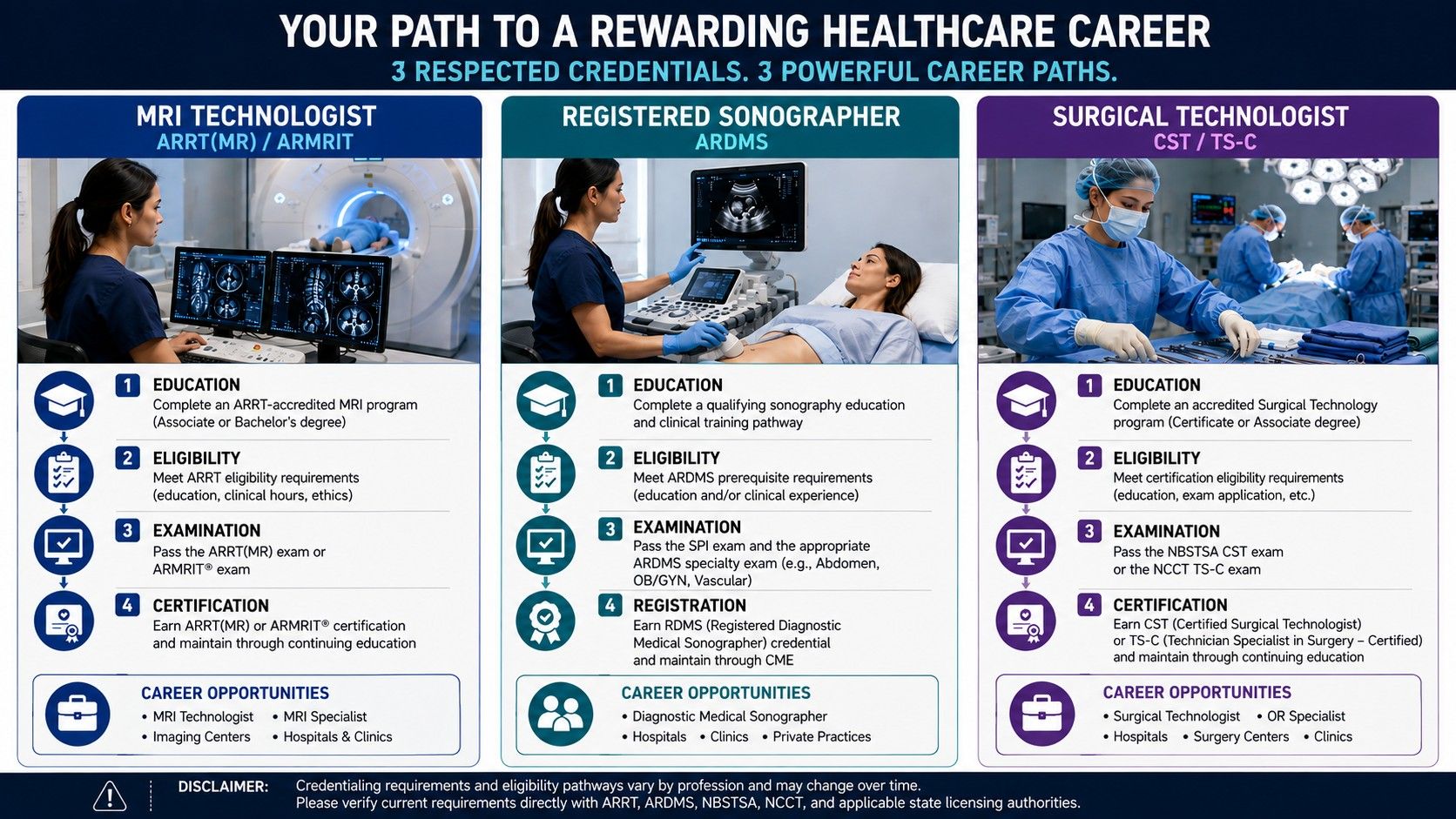
This is one of the most practical things to understand, because the rules differ sharply by profession.
Surgical technologists: certification is required by New York law. This is the standout. Unlike most states, and unlike California (where certification is employer-preferred but not mandated), New York law requires surgical technologists to hold national certification, either the CST (from the NBSTSA) or the TS-C, to work in the role, a requirement in place since 2015, along with completing an accredited CAAHEP or ABHES program. In practice this means the credential isn't optional in New York the way it is in many states. (Certification laws often include grandfathering or limited exceptions, so confirm current specifics and any registration steps with the New York State Education Department.)
Sonographers: no state license required. New York does not require a state license to work as a diagnostic medical sonographer. The credential employers want is ARDMS certification (the RDMS credential), earned by completing a CAAHEP-accredited program and passing the ARDMS exams. So for sonographers, the path is certification-driven, not license-driven.
MRI technologists: it's nuanced. New York regulates radiologic technologists through the State Department of Health, but because MRI uses magnetic fields rather than ionizing radiation, MRI-only technologists may not require the state radiologic-technology license that X-ray-based roles do. What employers consistently require is national certification through ARRT (in MRI) or ARMRIT. If you also perform ionizing-radiation imaging, the state licensing picture changes, so confirm your specific situation with the New York State Department of Health.
If you'd like help matching your credentials to specific New York roles, reach out to our team.
NYC vs Upstate: The Cost-of-Living Factor
New York's pay gap between NYC and upstate is one of the largest in the country, but so is its cost-of-living gap, and the second often cancels out the first. NYC and the downstate metros (Long Island, Westchester) pay the most across all three professions, but housing, transportation, and taxes consume a much larger share of take-home pay. Upstate markets (Buffalo, Rochester, Syracuse, the Capital Region) pay less nominally, sometimes substantially so, but a paycheck stretches dramatically further.
The honest takeaway mirrors the rest of New York healthcare: compare offers on what's left after housing, not on the gross figure. A lower upstate salary frequently delivers better real purchasing power than a higher NYC one, especially for surgical techs, whose pay band is tighter.
Which Allied Health Career Is Right for You?
- Choose MRI technologist if you want top-tier allied pay, enjoy imaging technology, and don't mind the certification path (ARRT or ARMRIT).
- Choose diagnostic sonographer if you want strong pay plus the best long-term job growth of the three, and like hands-on, patient-facing imaging work with room to specialize.
- Choose surgical technologist if you're drawn to the operating room, want a often-shorter path into healthcare, and are comfortable with a lower pay ceiling, remembering New York requires CST or TS-C certification.
There's no single best answer, only the fit that matches your interests, your timeline, and your income goals.
Conclusion
For allied health professionals in New York, the pay picture is clear even where exact figures vary: MRI technologists and diagnostic sonographers both reach around six figures, while surgical technologists earn a solid but lower wage in exchange for a often-shorter path and a different work environment. Each has its own credentialing rules, most notably New York's legal requirement that surgical techs hold CST or TS-C certification. Factor in the state's steep NYC-versus-upstate cost-of-living gap, weigh pay against real purchasing power, and choose the profession that fits your goals. To explore allied health opportunities, learn more about our allied health staffing services and let a recruiter help you find the right role.
References & Sources
All data points are drawn from the following publicly available sources (accessed June 2026). BLS is the authoritative baseline; salary-site figures vary by methodology and survey year.
- U.S. Bureau of Labor Statistics — MRI Technologists, OOH/OEWS (national median $88,180, May 2024; SOC 29-2035): https://www.bls.gov/ooh/healthcare/radiologic-technologists.htm
- U.S. Bureau of Labor Statistics — Diagnostic Medical Sonographers, OOH (national median $89,340, May 2024; 13% growth; ~5,800 annual openings): https://www.bls.gov/ooh/healthcare/diagnostic-medical-sonographers.htm
- U.S. Bureau of Labor Statistics — Surgical Technologists, OOH (national median $62,830, May 2024; SOC 29-2055): https://www.bls.gov/ooh/healthcare/surgical-technologists.htm
- New York MRI technologist pay data (BLS-based, NY median and metro split): https://www.teslamr.com/guides/mri-technologist-salary-new-york/
- New York sonographer pay and licensing (no state license; ARDMS/RDMS standard): https://dreambound.com/blog/how-to-become-a-medical-sonographer-in-new-york
- New York surgical technologist certification law (CST/TS-C required; NY median): https://dreambound.com/blog/how-to-become-a-surgical-technician-in-new-york
- Certifying and licensing bodies: ARRT (arrt.org), ARMRIT (armrit.org), ARDMS (ardms.org), NBSTSA (nbstsa.org); New York State Department of Health and New York State Education Department for state rules.
Questions
Frequently asked
Looking for your next assignment?
Browse current travel contracts, or tell a recruiter what you are after and we will match you against roles before they are listed.